”Exploring the Viability, Benefits, and Challenges of a Clean Energy Transition”

Energy can be obtained from various sources like wind, sunlight and water. These are either renewable or non- renewable resources.All types of energy can be transformed into power, which can then be used to accomplish tasks . Pakistan is a developing country with a population of over 200 million people.Pakistan suffers from a lack of energy.Most of electricity in Pakistan is generated, transmitted, distributed and retail supplied by WAPDA(water and power development authority) except in Karachi where KESC(Karachi electric supply corporation) supplies power to Karachi and surrounding areas. There are about 20 independent power producers that contribute significantly to electricity contribution in Pakistan. According to the Pakistan Economic Survey 2021–22, the installed electricity generation capacity reached 41,557 MW in 2022. The maximum total demand coming from residential and industrial estates stands at nearly 31,000 MW, whereas the transmission and distribution capacity is stalled at approximately 22,000 MW. This leads to a deficit of about 9,000 MW when the demand peaks. This additional 9,000 MW required cannot be transmitted even though the peak demand of the country is well below its installed capacity of 41,557 MW. The country is experiencing a major energy crisis as a result of the excess demand.Click here to know more clearly about renewable energy https://youtu.be/1kUE0BZtTRc
Renewable energy is energy derived from natural sources that are replenished at a higher rate than they are consumed. Sunlight and wind, for example, are such sources that are constantly being replenished. Renewable energy sources are plentiful and all around us. On the other Fossil fuels – coal, oil and gas hand, are non-renewable resources that take hundreds of millions of years to form. Fossil fuels, when burned to produce energy, cause harmful greenhouse gas emissions, such as carbon dioxide. Generating renewable energy creates far lower emissions than burning fossil fuels.Transitioning from non-renewable energy sources to renewable energy sources is crucial for a sustainable future, and it is necessary to address the challenges of climate change, environmental degradation, energy security, and economic development from fossil fuels,
Renewable energy was not used in the nation in 2003. An independent Alternative Energy Development Board (AEDB) was established by the government. To attain a 5% share of power generation from renewable sources by the year 2030, a board has been established to coordinate, facilitate, and promote alternative and renewable energy technology. The good news is that Pakistan has a lot of room to grow in terms of producing renewable energy. The nation is endowed with a wealth of solar, wind, and hydroelectric resources that can be used to generate sustainable and clean energy. Pakistan has a potential for 60,000 MW of solar energy, 40,000 MW of wind energy, and 25,000 MW of hydropower, according to the Alternative Energy Development Board (AEDB).Government created an autonomous Alternative Energy Development Board (AEDB). click here to understand this article more clearly https://youtu.be/HP-SxuliHpQ
Solar Energy
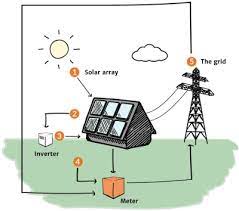
Pakistan is ideally situated for the production of solar energy because it is situated in an area with abundant sun radiation, making it an ideal location for solar power generation. The country has solar plants in Pakistani Kashmir, Punjab, Sindh and Balochistan. The country has around 300 sunny days per year, with an average solar radiation of 5 to 7 kWh/m2/day. Solar energy can be harnessed through photovoltaic (PV) cells and concentrated solar power (CSP) technologies. Initiatives are under development by the International Renewable Energy Agency, the Japan International Cooperation Agency, Chinese companies, and Pakistani private sector energy companies. There are several solar energy projects that are currently running or planned for the future in Pakistan. Here are some examples.The largest solar power facility in Pakistan is called the Quaid-e-Azam Solar Park, and it is situated in the Punjabi district of Bahawalpur. It is currently in use and has a 1,000 MW capacity.Jhimpir Wind Power Plant This wind power facility is situated in Sindh’s Thatta district. It is currently in use and has a 50 MW capacity.Quaid-e-Azam Solar Power Pvt Ltd This is a 100 MW solar power plant located in Bahawalpur, Punjab. It is currently operational.China-Pakistan Economic Corridor (CPEC) projects The CPEC includes several solar power projects, including the 300 MW Quaid-e-Azam Solar Power Park II in Bahawalpur and the 100 MW Jhimpir Power Plant II in Sindh. These projects are currently under construction.Khyber Pakhtunkhwa Solar Energy Project This is a project by the government of Khyber Pakhtunkhwa to install solar panels on government buildings and streetlights. The project aims to generate 300 MW of electricity and reduce the province’s dependence on fossil fuels.Karachi Electric Supply Company (KESC) Solar Project This project aims to install solar panels on rooftops and open spaces in Karachi to generate electricity for the city. The project is currently in the planning stage.These are just a few examples of solar energy projects in Pakistan. The government of Pakistan has set a target of generating 30% of its electricity from renewable sources by 2030, which is expected to drive further investment in the sector.
One of the most recent steps being taken in the ‘green’ direction is the Indicative Generation Capacity Expansion Plan (IGCEP) 2022- 31, launched by the National Transmission and Despatch Company (NTDC) under the Ministry of Energy.The initiative aims to add over 8,000MW from solar to the national grid over the next 10 years. More recently, Prime Minister Shehbaz Sharif invited Turkiye (formerly known as Turkey) to invest in solar projects of 10,000MW across Pakistan.The government will unveil a special program to create solar parks and promote renewable energy in October 2022, according to Shah Jahan Mirza, CEO of the Alternative Energy Development Board (AEDB), with the goal of installing solar plants with a capacity of 6,000MW.To reduce the usage of imported fuel, PM Shehbaz gives the 10,000MW solar project the go-ahead.By producing affordable and environmentally friendly electricity, Prime Minister Shehbaz Sharif hopes to lower the nation’s significant import bill and its reliance on non-renewable energy sources.The projects, according to PM Shehbaz, will dramatically lessen the nation’s reliance on power plants that use expensive fuels and drain the nation’s foreign exchange reserves . The National Solar Energy Initiative, which seeks to generate 10,000 MW of renewable electricity over the coming months, includes projects totaling 2000 megawatts (MW)
Wind Energy
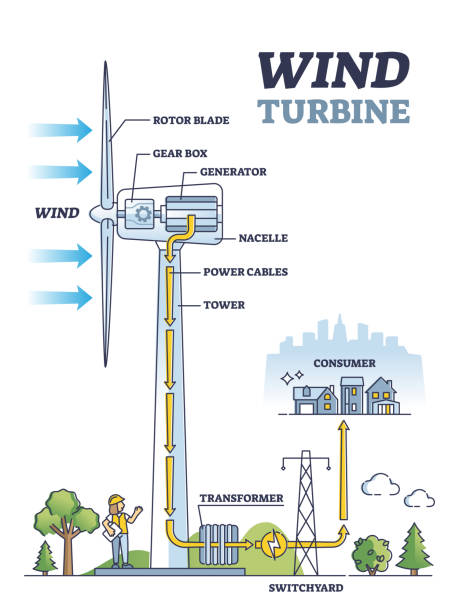
Wind energy has gained popularity as a clean, plentiful, cost-effective, and environmentally benign form of electricity in recent years. Pakistan has enormous potential for wind energy production, particularly in Sindh and Balochistan’s coastal regions.The country’s wind potential has been estimated to be around 40,000 MW. The AEDB has launched several wind power projects, including the Jhimpir Wind Power Project in Sindh, which has a capacity of 50 MW. To harness the renewable energy potential, the Pakistani government formally approved the Alternative and Renewable Energy Policy 2019 in August 2020. The policy aims to boost the share of electricity generated from renewable sources from around 5% in 2020 to 20% by 2025 and a further 30% by 2030.In March 2022, the Pakistani government showcased potential investment opportunities in the energy sector, among others, in a Pakistan-Austria Investors meet-up to encourage foreign investors with more facilities and tax breaks. The opportunities in the energy sector include wind energy, too, as the country enjoys a favorable geographic location for harnessing wind energy.Furthermore, as of 2022, Pakistan had 26 operational wind power projects of 1335 MW cumulative capacity connected to the national grid, and a further ten wind power projects of 510 MW capacity are under construction.
Hydropower
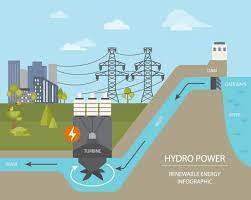
Pakistan has a significant hydroelectric potential due to the Indus, Jhelum, and Chenab rivers, among other major rivers that pass through the nation.The country’s hydropower potential has been estimated to be around 25,000 MW. The AEDB has launched several hydropower projects, including the Neelum-Jhelum Hydropower Project in Azad Jammu and Kashmir, which has a capacity of 969 MW.Talking to APP, Wapda officials said that at present total installed capacity of 24 hydel power stations of Wapda stood at 9,443MW and the addition of 11,241MW would enhance it to 20,684MW.The existing hydel power stations included Tarbela, Mangla, Ghazi Barotha, Neelum-Jhelum and Warsak, which contributed about 25% to the total system capacity of 36,166MW from all sources.The net electricity output of those power stations was about 32,000 gigawatt-hours (GWh) per annum.The upcoming hydel power projects, the officials said that the Dasu Hydropower Project would contribute 4,320MW, Tarbela 5th Extension 1,510MW, Mohmand Dam 800MW, Diamer-Bhasha Dam 4,500MW, Keyal Khwar Power Project 128MW and Kurram Tangi 83.4MW to the national grid .
If Pakistan is to develop economically and raise living standards, 50,000MW should be added in the next 15 years. That is where the construction of Bhasha, Dasu and Bunji (16,000MW) on a fast track is imperative together with Munda and Akhori.Basha must not be delayed any further. What is essential is to arrange the $4 billion needed for civil works including the diversion tunnels and main dam, possibly from the $50 billion financing consortium proposed by China’s Three Gorges company with the IFC for Pakistan’s hydroelectric projects. Each year’s delay in Bhasha is costing the economy over $3 billion.
GEOTHERMAL ENERGY
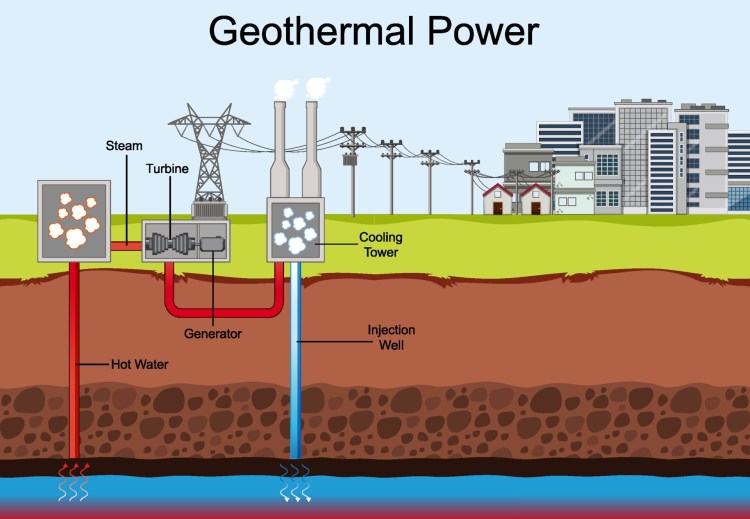
Pakistan has vast geothermal energy potential, with estimated reserves of over 2,000 MW. However, currently, the country is not utilizing this potential to a significant extent.The areas in Pakistan with the most significant geothermal potential include the Sindh province and the Balochistan province. In Sindh, the Kirthar Range, Gorano, and Nagarparkar areas have been identified as having the most significant potential for geothermal energy production. In Balochistan, the areas around Sui, Dera Bugti, and Koh-i-Sultan have been identified as having significant potential.
Currently, the only operational geothermal power plant in Pakistan is the 50 MW geothermal power plant in Tattapani, located in the northern part of the country. The plant was commissioned in 1996 and has been in operation since then.The government of Pakistan has recognized the potential of geothermal energy and has taken steps to promote its development. In 2013, the Alternative Energy Development Board (AEDB) initiated a project to explore and develop geothermal resources in the country. The project aims to identify potential sites for geothermal power plants and assess the feasibility of developing these sites.In addition to the AEDB’s efforts, private companies have also shown interest in developing geothermal energy in Pakistan. In 2021, a private company, Reon Energy, announced plans to develop a 50 MW geothermal power plant in the Kirthar Range area of Sindh.
Overall, geothermal energy has significant potential in Pakistan, and efforts are being made to explore and develop this potential. However, more investment and government support are needed to fully realize the benefits of geothermal energy in the country.
Biomass energy
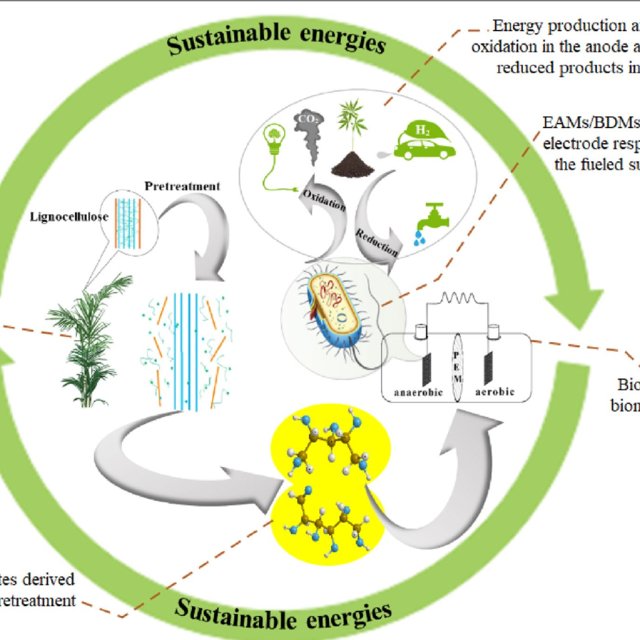
Pakistan is a developing country with a rapidly growing population. It is currently facing serious economic and energy challenges. The country will need to explore alternative energy production methods. Biomass is one of the alternatives that has enormous potential to help Pakistan combat its growing energy crisis. Biomass energy refers to energy that is produced from organic matter, such as plant material or animal waste. Pakistan has a significant potential for biomass energy production due to its abundant agricultural and forestry resources. Here are some details about biomass energy in Pakistan.Pakistan is an agricultural country with a lot of crop waste generated every year. This agricultural waste, such as rice husks, wheat straw, sugarcane bagasse, and corn cobs, can be used to produce biomass energy. Pakistan has a large forest cover, and the waste generated from forestry activities, such as wood chips and sawdust, can also be used to produce biomass energy. Pakistan also has potential for biofuels production, particularly from sugarcane, which is widely cultivated in the country. Ethanol can be produced from sugarcane, which can be used as a transportation fuel. These biomass resources in Pakistan have the potential to generate 20,709 MW of bio-electricity and 12,615 million m3 of biogas annually in Pakistan The efficiency of residue collection is estimated to be 38% of the overall crop residue production, and MSW collection is about 60% of the total production of waste crop residues and treated MSW are used to produce biofuels and renewable electricity, which correspondingly help fill the energy demand–supply gap. Biofuels are also used for heating and cooking purposes in the rural sector
There are several biomass projects in Pakistan aimed at producing electricity from organic waste materials such as agricultural residue, animal waste, and municipal solid waste. Here are a few examples The Jhimpir Power Plant is a 50 MW biomass plant located in the Thatta district of Sindh. It uses bagasse, a by-product of sugarcane, as its primary fuel source. The Roshan Bhakkar Power Plant is a 12 MW biomass plant located in the Khushab district of Punjab. It uses rice husk, a by-product of rice milling, as its primary fuel source. The Lahore Waste to Energy Project is a 40 MW plant that uses municipal solid waste as its primary fuel source. The plant is located in the Lakhodair area of Lahore and is expected to process up to 1,200 tons of waste per day. The Punjab Biomass Power Plant is a 12 MW plant located in the Faisalabad district of Punjab. It uses rice straw, a by-product of rice harvesting, as its primary fuel source.These biomass projects are helping to reduce Pakistan’s dependence on fossil fuels and promote the use of renewable energy sources Overall, Pakistan has a significant potential for biomass energy production, which can help to meet the country’s energy needs while also promoting sustainable agriculture and forestry practices
There are several reasons why Pakistan is increasingly turning to renewable energy sources
Pakistan, like many developing countries, faces a variety of energy-related challenges. A growing population and expanding economy have led to an increase in energy demand, which has put pressure on the country’s power generation infrastructure. At the same time, Pakistan has been facing energy shortages due to a lack of investment in new power generation capacity and limited domestic energy resources. To address these challenges, Pakistan has been increasingly turning to renewable energy sources in recent years. In this essay, we will explore the reasons behind Pakistan’s increasing shift towards renewable energy. Pakistan has significant renewable energy resources that are largely untapped. The country has a vast potential for wind, solar, and hydropower, which can provide a clean and sustainable source of energy. According to the Alternative Energy Development Board (AEDB), Pakistan has a potential of 60,000 MW of wind energy, 100,000 MW of solar energy, and 41,000 MW of hydropower. Despite this potential, however, the share of renewable energy in Pakistan’s energy mix has been very low, with fossil fuels accounting for the majority of the country’s energy supply. This is partly due to a lack of investment in renewable energy infrastructure, but also due to regulatory and policy barriers that have hindered the growth of renewable energy in Pakistan.
Energy Security: Pakistan has been facing a severe energy crisis for many years, with frequent power outages and load shedding. By diversifying its energy mix with renewable energy sources, Pakistan can reduce its dependence on imported fossil fuels and improve its energy security.
Environmental Concerns: Pakistan is one of the countries most vulnerable to climate change, with rising temperatures, droughts, and floods already affecting the country. Renewable energy sources such as solar and wind power are much cleaner and emit far less greenhouse gases than traditional fossil fuels, reducing the country’s carbon footprint and helping to mitigate climate change.
Cost-effectiveness: The cost of renewable energy technologies has decreased significantly in recent years, making them more competitive with fossil fuels. This means that investing in renewable energy can be more cost-effective in the long run, particularly as the country’s energy demands continue to increase.
Rural Electrification: Pakistan has a large rural population that lacks access to electricity. Renewable energy sources such as solar power can be particularly beneficial in providing electricity to remote areas where traditional grid infrastructure is not available or cost-effective.
International Commitments: Pakistan has made commitments to reduce its greenhouse gas emissions under the Paris Agreement, and increasing its use of renewable energy sources is one way to achieve these goals.
Improve infrastructure: Pakistan needs to invest in upgrading its power transmission and distribution infrastructure to support the integration of renewable energy into the grid. This includes building new transmission lines, upgrading substations, and investing in energy storage technologies.
Create a favorable policy environment: Pakistan needs to create a policy environment that encourages investment in renewable energy. This can include providing financial incentives for renewable energy projects, simplifying the regulatory framework, and reducing bureaucratic red tape.
Build technical expertise: Pakistan needs to invest in developing technical expertise in the renewable energy sector. This can include training programs for engineers and technicians, building research and development capacity, and collaborating with international partners.
Encourage public awareness: Pakistan needs to raise public awareness about the benefits of renewable energy and how it can be used to address the country’s energy challenges. This can include public education campaigns, community outreach programs, and media coverage.
Foster public-private partnerships: Pakistan needs to encourage public-private partnerships to accelerate the development of renewable energy projects. This can include partnering with international companies with expertise in renewable energy, and creating incentives for local businesses to invest in renewable energy.
Pakistan has recognized the potential economic benefits of renewable energy. The development of renewable energy infrastructure can create jobs, attract foreign investment, and stimulate economic growth. According to a report by the International Renewable Energy Agency (IRENA), the renewable energy sector in Pakistan could create up to 227,000 jobs by 2030. In addition, renewable energy can reduce the country’s dependence on imported fossil fuels, which can improve its energy security and reduce its trade deficit.
In the future, the potential for renewable energy in Pakistan is expected to increase as the country’s population and energy demand continue to grow. The government of Pakistan has set a target of generating 30% of the country’s electricity from renewable sources by 2030. To achieve this target, the government plans to install 30,000 MW of renewable energy capacity, which will require significant investment and policy support.
In conclusion, Pakistan has immense potential for generating electricity through renewable energy sources such as solar, wind, hydropower, and biomass. With its abundance of natural resources and favorable geographic location, the country can tap into these resources to reduce its reliance on fossil fuels and move towards a sustainable and greener energy future.
However, to fully realize the potential of renewable energy sources, Pakistan must address several challenges, including policy and regulatory barriers, lack of financing, and inadequate infrastructure. Nevertheless, the government’s recent initiatives, such as the Alternative Energy Development Board (AEDB) and the National Renewable Energy Policy, are steps in the right direction.
It is imperative that Pakistan continues to invest in and prioritize renewable energy to meet its growing energy demand and contribute to global efforts to combat climate change. By embracing renewable energy, Pakistan can not only secure its energy future but also create employment opportunities and improve the quality of life for its citizen
Interview with WAPDA officer
| Name | Position | |
|---|---|---|
| Engr Syed Babar Zafar | Research Officer |
 Site Title